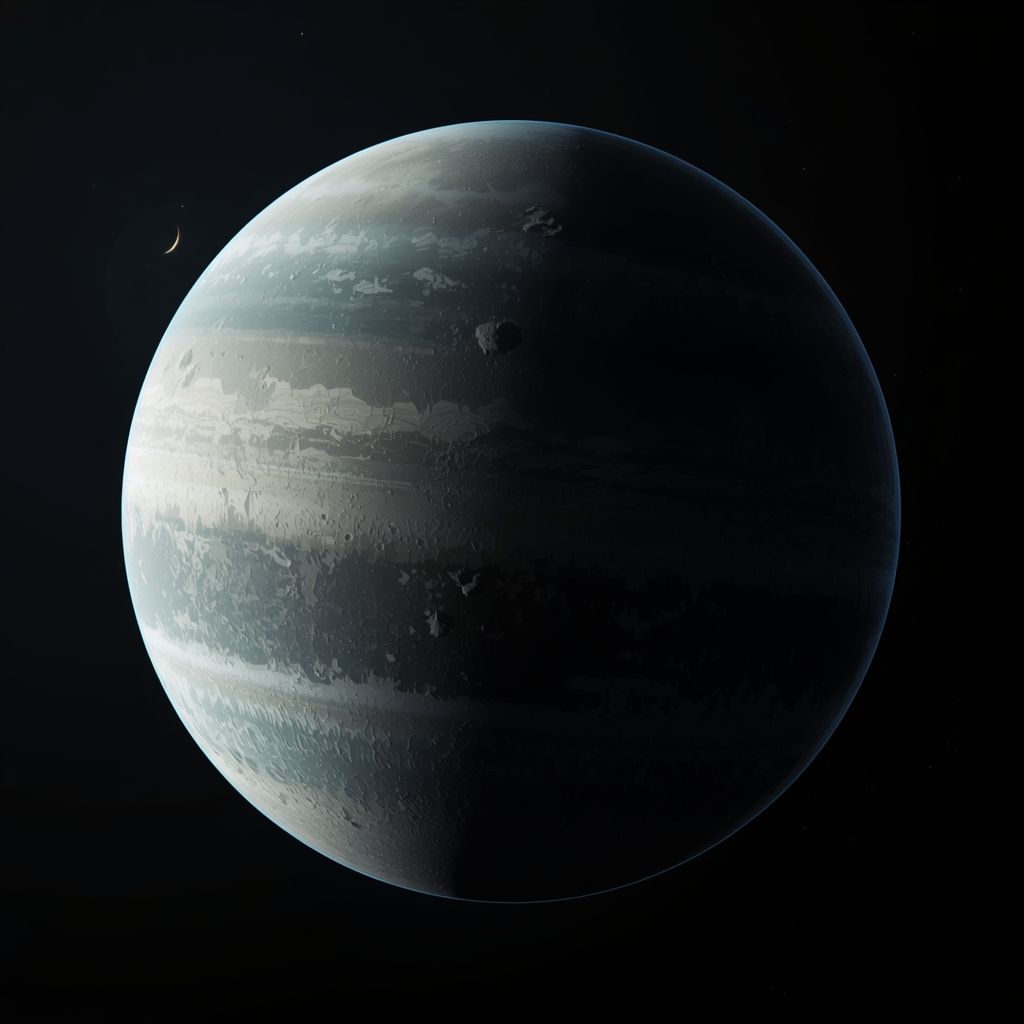
Interactive Solar System: A 3D Journey Through Our Cosmic Neighborhood
Have you ever wondered exactly what is happening over your head right now? Space is not a static map; it is a perfect clockwork mechanism in constant motion. At Starmaps.uk, we have developed this interactive simulator so you can explore the real-time orbits of the planets today. Understanding the solar system is the first step to appreciating why a custom star map is such a powerful gift: we capture a unique instant of this cosmic dance just for you.
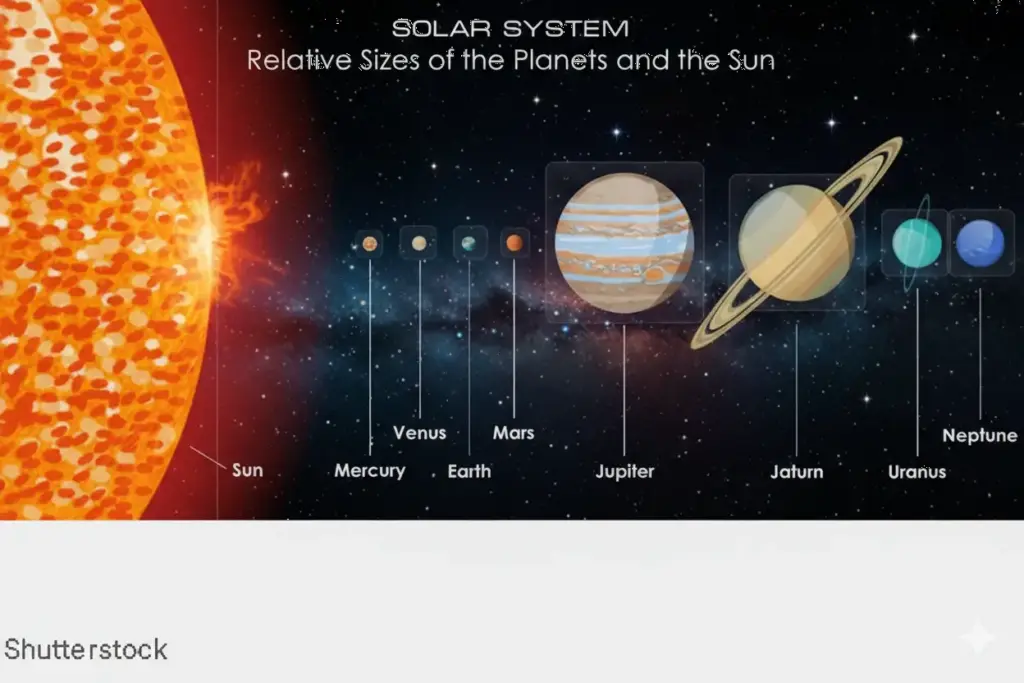
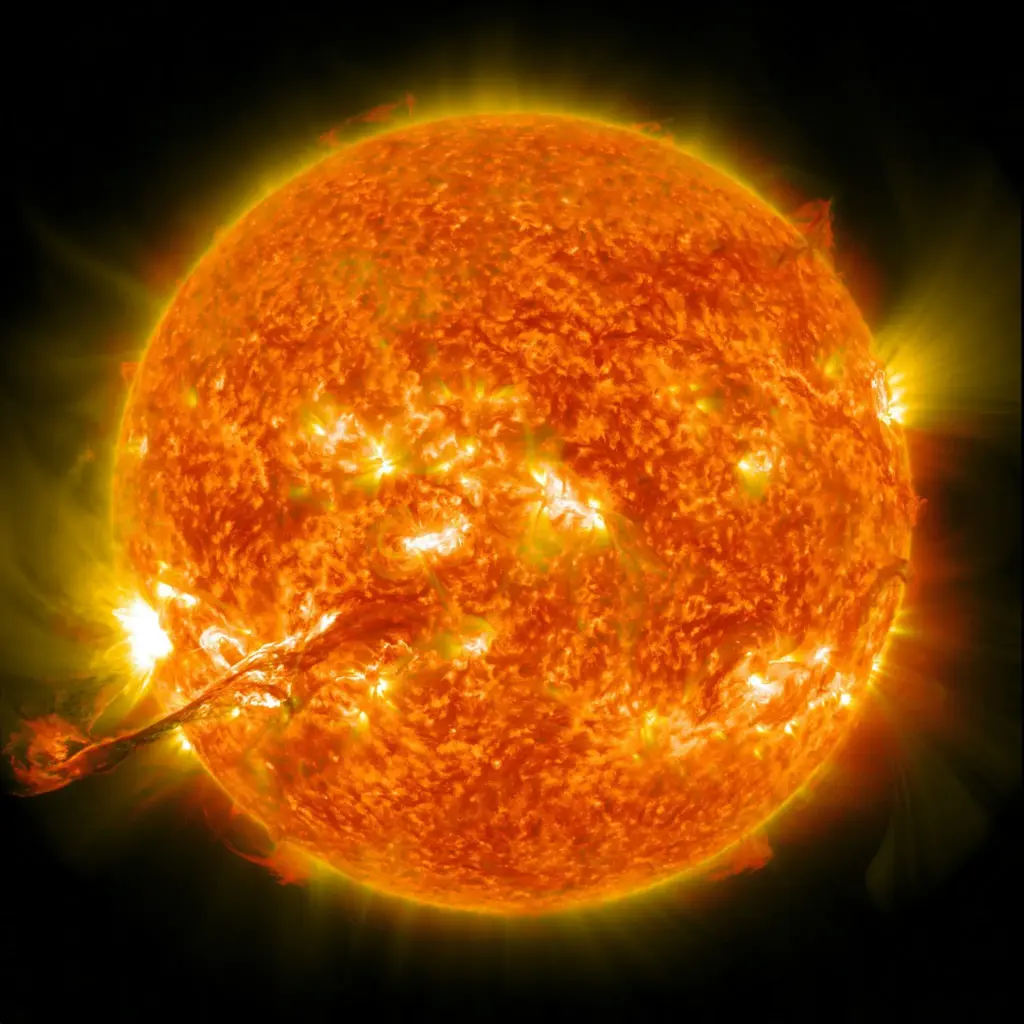
The Sol system, or Solar System, is a 4.6-billion-year-old gravitationally bound system consisting of the Sun (a G-type main-sequence star), eight recognized planets, their moons, dwarf planets, and numerous asteroids/comets. Located in the Milky Way’s Orion Arm, it features an inner rocky system (Mercury, Venus, Earth, Mars) and an outer giant planet system (Jupiter, Saturn, Uranus, Neptune).
Exploring the Wonders of Our Solar System: A Deep Dive for UK Stargazers
Using our interactive solar system guide, you can track the real-time position of celestial bodies. But what makes each of these worlds unique? Understanding the science behind the orbits helps you appreciate the precision of our custom star maps.
The Inner Planets: Terrestrial Wonders
The four inner planets—Mercury, Venus, Earth, and Mars—are composed primarily of silicate rocks or metals.
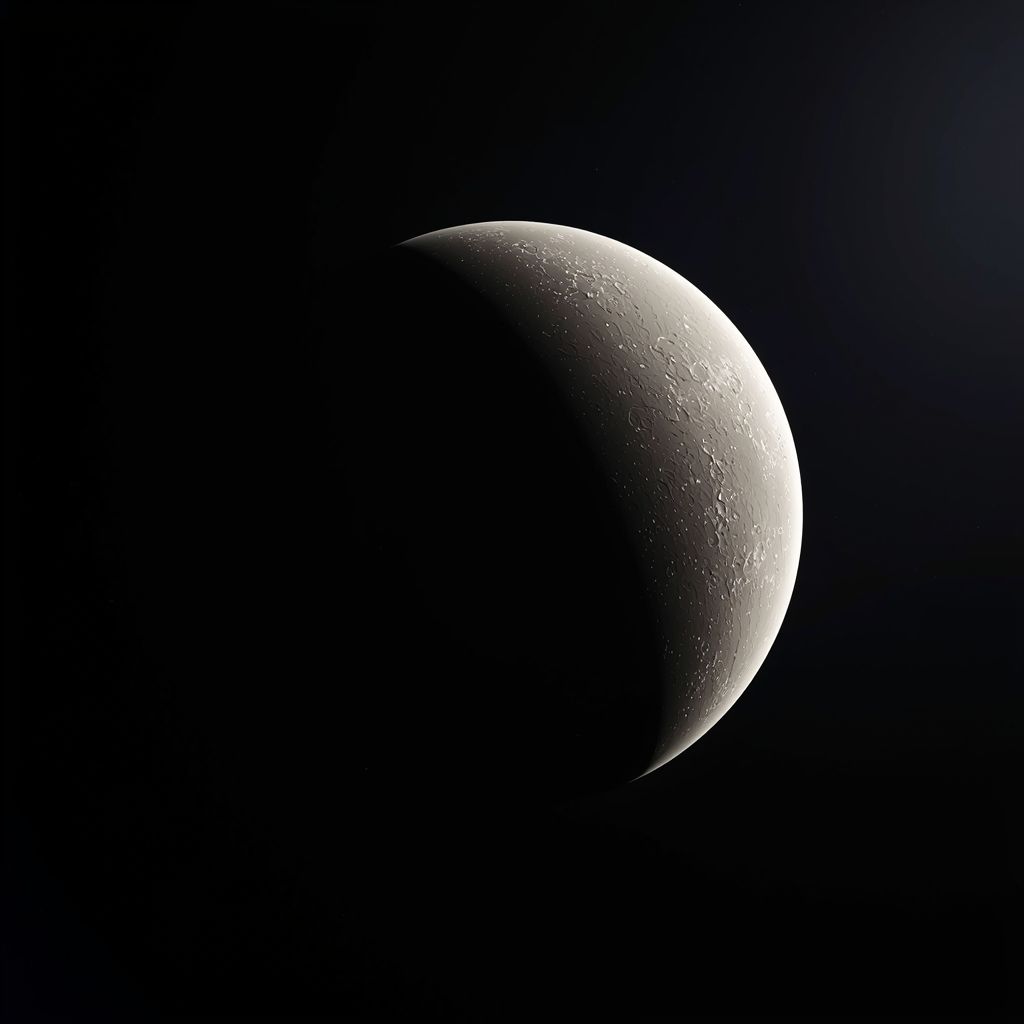
Mercury: The smallest planet and the closest to the Sun. Its orbital period is just 88 days, making it the fastest-moving object in our simulator.
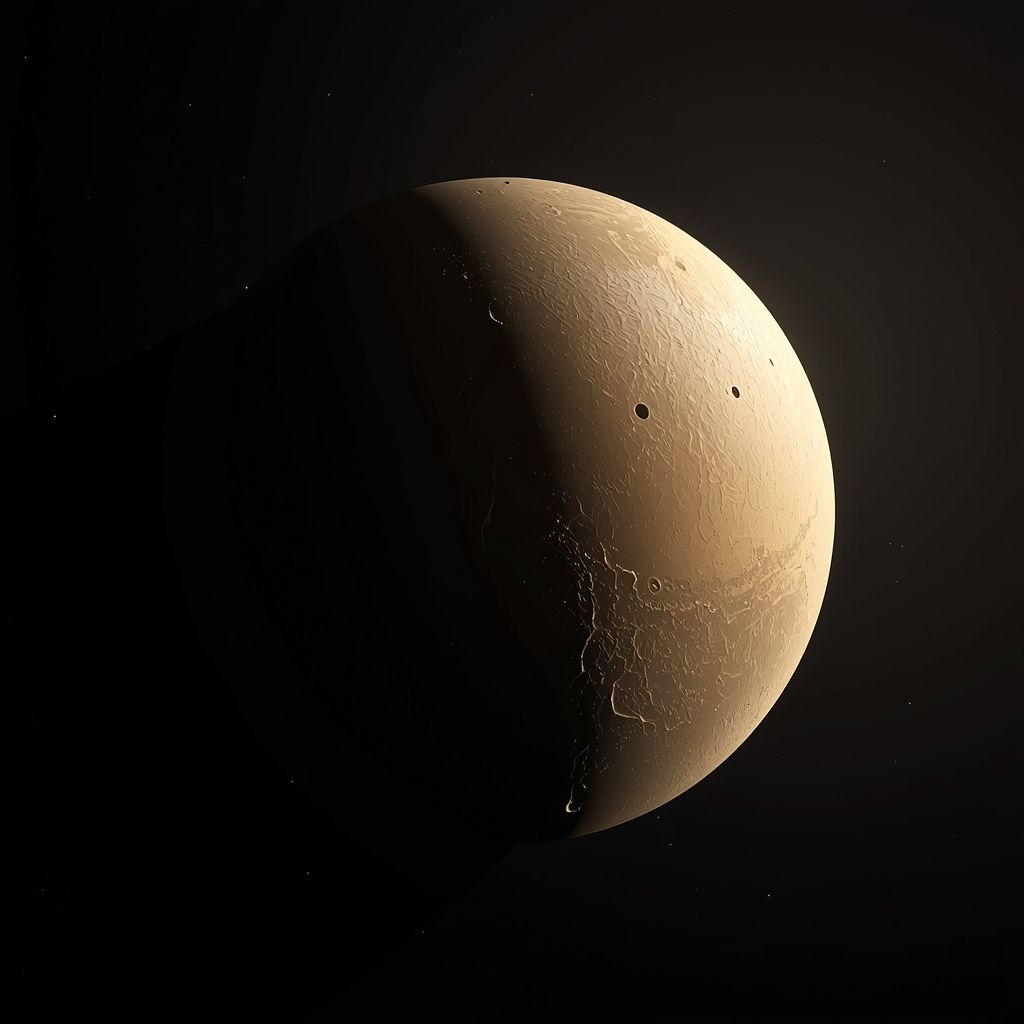
Venus: Often called Earth’s twin, it is the brightest object in the night sky after the Moon. Its thick atmosphere traps heat, making it the hottest planet in our system.
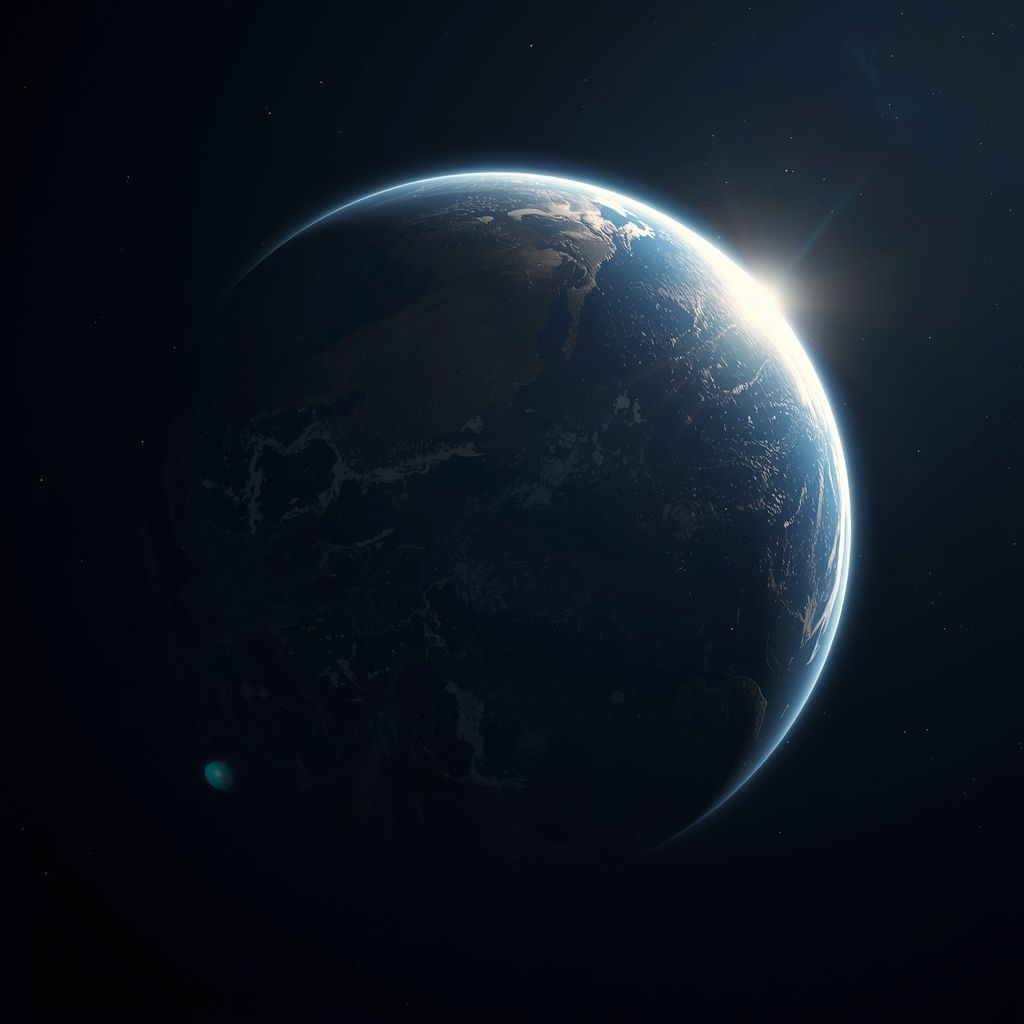
Earth: Our home. Did you know that when you create a [personalized anniversary star map], you are capturing Earth’s exact orientation relative to these other planets?
Mars: The “Red Planet” is home to Olympus Mons, the largest volcano in the solar system. It remains a primary target for future human exploration.
The Outer Giants: Gas and Ice
Beyond the asteroid belt, the planets become massive and gaseous.
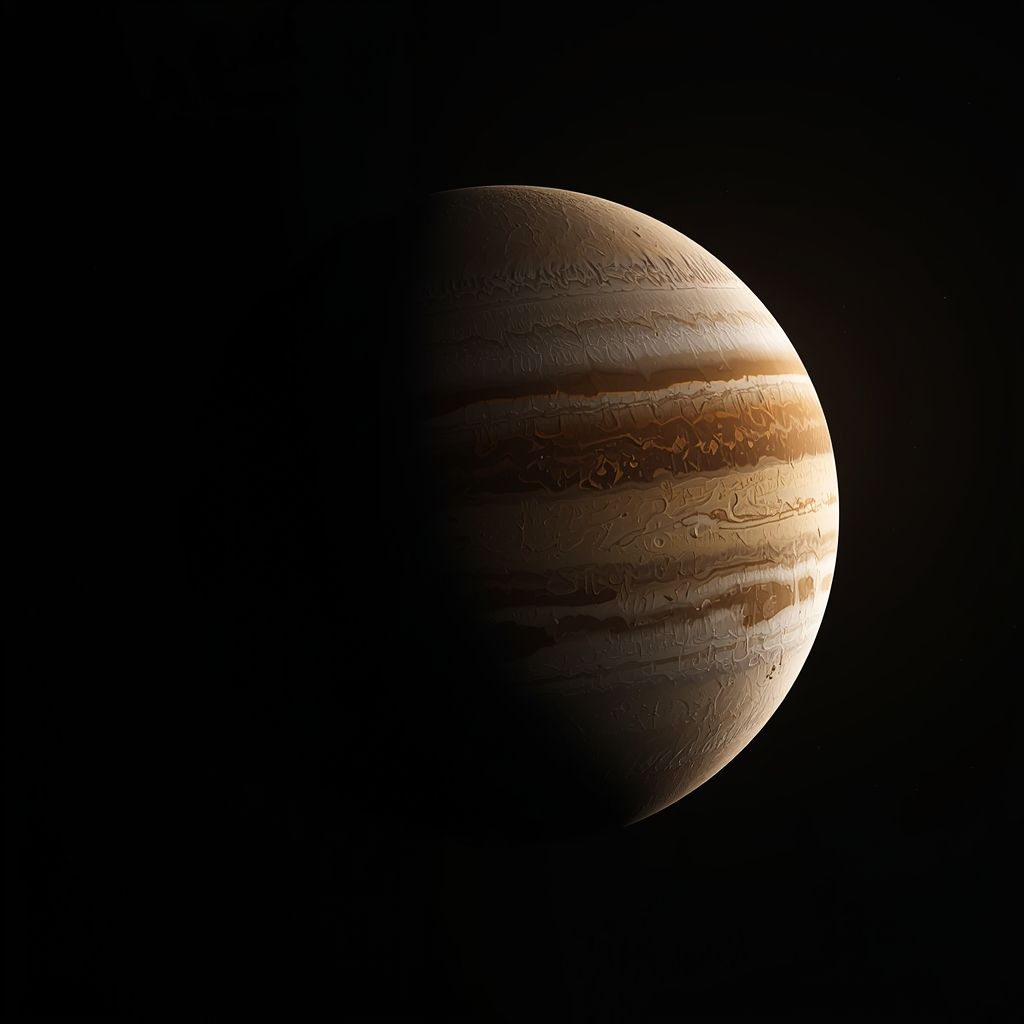
Jupiter: The king of planets. It is so large that all other planets in the solar system could fit inside it twice. Its “Great Red Spot” is a storm that has lasted for centuries.
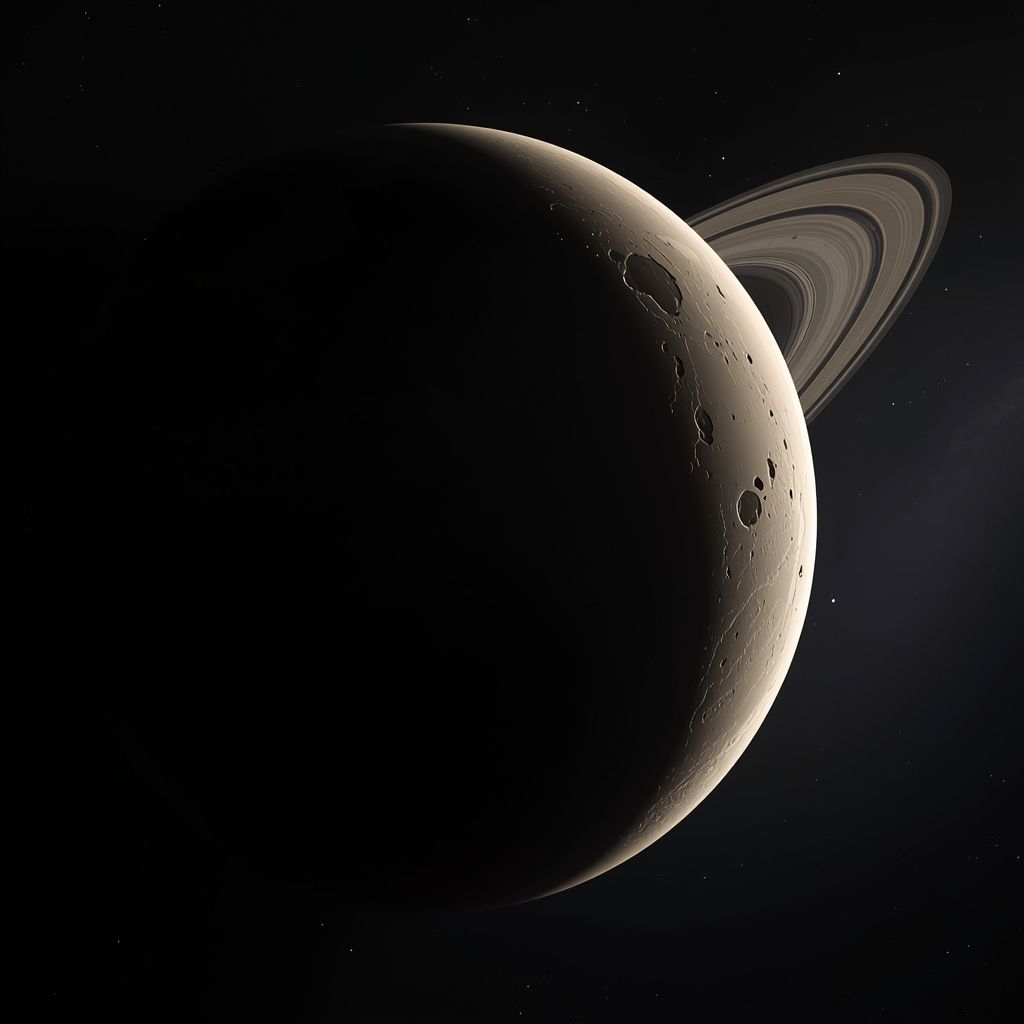
Saturn: Famous for its complex ring system made of ice and rock. In our orrery.min.js simulation, you can see its unique tilt and orbit.
Uranus & Neptune: Known as the “Ice Giants.” These distant worlds have freezing atmospheres composed of methane, water, and ammonia. Neptune experiences the strongest winds in the solar system, reaching speeds of over 2,100 km/h.
How to Use the Solar System Time Machine
Our tool allows you to sync the sky with any significant date.
Select a Date: Use the top selector to pick a past or future date (e.g., your wedding day or a child’s birth).
Analyze Alignment: Observe how the planets were aligned. This is the same astronomical data we use to generate our high-quality starmaps.
Real-Time Motion: The simulation calculates orbital mechanics to show you where these worlds are right now in the UK sky.
Below, we explore the worlds that make up our system, ordered by their proximity to the Sun.Let’s analyze our interactive solar system
1. Mercury – The Swift Messenger
Description & Composition: A small, dense rocky world riddled with craters. It has no atmosphere, causing it to swing from extreme heat to bone-chilling cold in hours.
Distance: 57.9 million km from the Sun | Approx. 77 to 222 million km from Earth (depending on orbit).
Size: 0.38 Earths. You could fit 18 Mercuries inside Earth. The Sun is 285 times larger than Mercury.
2. Venus – The Brightest Hell
.
Description & Composition: Venus is the most searched planet for a reason: it is the brightest object in the night sky after the Moon. It has a thick, toxic atmosphere that traps heat, making it the hottest planet in our system.
Distance: 108.2 million km from the Sun | Approx. 38 to 261 million km from Earth.
Size: Earth’s “twin” (0.95 times its size). The Sun is 115 times larger than Venus.
3. Earth – Our Blue Marble
Description & Composition: The only known world with liquid water and life. Its nitrogen and oxygen atmosphere is our perfect shield.
Distance: 149.6 million km from the Sun (1 Astronomical Unit).
Size: The standard of measurement. The Sun is so large that 1.3 million Earths could fit inside it.
4. Mars – The Red Frontier
Description & Composition: An iron-oxide desert with mountains higher than Everest. It is rocky with a solid iron core.
Distance: 227.9 million km from the Sun | Approx. 54 to 401 million km from Earth.
Size: 0.53 Earths. The Sun is about 208 times larger than Mars.
5. Jupiter – The King of Giants
Description & Composition: A massive ball of hydrogen and helium. Its Great Red Spot is a storm larger than Earth itself.
Distance: 778.5 million km from the Sun | Approx. 588 to 968 million km from Earth.
Size: 11 times the diameter of Earth. If Jupiter were a grape, Earth would be a grain of sand and the Sun a basketball.
6. Saturn – Lord of the Rings
Description & Composition: A gas giant famous for its ring system made of ice and rock. It is so light it could theoretically float in water.
Distance: 1.4 billion km from the Sun | Approx. 1.2 to 1.7 billion km from Earth.
Size: 9.4 times the diameter of Earth. The Sun is 10 times larger than Saturn.
7. Uranus – The Sideways Ice Giant
Description & Composition: An ice giant made of methane, water, and ammonia. It rotates on its side, likely due to an ancient planetary collision.
Distance: 2.8 billion km from the Sun | Approx. 2.6 to 3.1 billion km from Earth.
Size: 4 times the diameter of Earth.
8. Neptune – The Windy Blue World
Description & Composition: The most distant and coldest planet, with winds exceeding the speed of sound. Its deep blue color comes from methane in its upper atmosphere.
Distance: 4.5 billion km from the Sun | Approx. 4.3 to 4.7 billion km from Earth.
Size: 3.8 times the diameter of Earth.
Why Venus and Tonight's Sky are Trending?
You may have noticed that Venus dominates search trends. This happens because it is the “Morning Star” or “Evening Star”—the first point of light people see at sunset. When users search for a “sky map of tonight” or “tonight’s sky night,” they are often looking for the unmistakable glow of Venus.
Your Galaxy Map: You Are Here
In the grand scale of the universe, our solar system is but a tiny speck. Yet for us, it is the stage of our lives. At Starmaps.uk, we turn this science into art. Whether you are looking for a “star map gift,” a “star chart poster,” or a “customized star chart,” each of our designs uses exact astronomical data to recreate the sky exactly as it appeared at your special moment.